This post may contain affiliate links.
A few years ago we left the tropical beaches of Far North Queensland to live up a hill. We’d been gardening at sea level in a truly tropical climate for years, I knew what I was doing. I thought more land would be great, and that 400m of extra altitude would actually make gardening easier. It made it harder and I found that I really have no clue what I’m doing in this new garden.
I’ve had 4, almost 5 years, of figuring out how to grow things in a new climate. We have very distinct seasons here and winter nights can get down to 3C. Not far away, they’ve seen freezing nights, I hope that doesn’t happen here because most of my garden and trees would suffer badly. Winter this year (2026) has seemed to go on forever. It hasn’t been as cold, I don’t think we’ve seen much below 9C, but it’s gone on forever. Has it been the same for you?
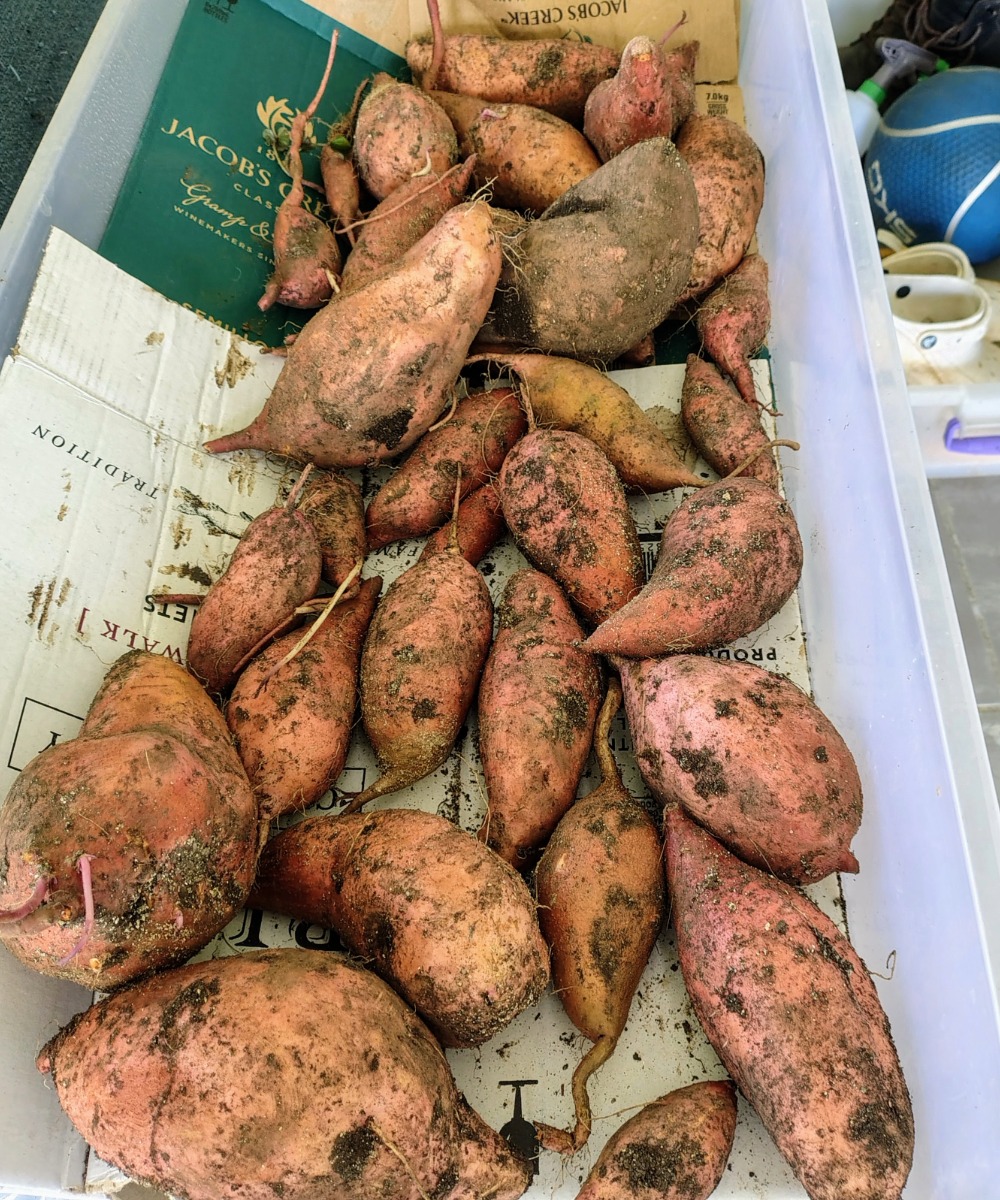
It’s spring now, October, and things are warming up. I’m picking cherry tomatoes, and we harvested a huge haul of sweet potatoes yesterday, with 2 more beds left to harvest. We’ve seen the biggest haul of mulberries and raspberries, and the celery is as big as it’s going to get. The cucamelons are starting to regrow after the winter and the lemons are almost over. The lychees are later than usual. We normally pick them in November but I think it’s going to be later this year.
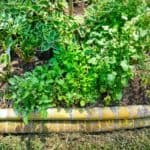
October is really the start of our peak gardening season. We have until the wet season kicks in for most plants. This year I’m going to try protecting some of my raised beds with plastic, the rain leaches the soil and drowns roots. We’ve been adding more and more sand to the mix in the beds and even mulching some of our in-ground plantings with sand. It must contain minerals, right? Not salty sand from the beach, obviously. The worms should pull some of it down into the soil in time, and it looks nice. It does the usual jobs of mulch, protecting, stabilising temperatures, holding more water in, etc.
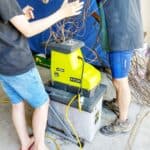
Other mulch we use includes fallen leaves that I pick up in the push mower and shredded palm fronds from the chipper. It all works and helps a lot.
Gardening At Elevation in The Tropics – Successes
All of our fruit trees, in ground are the following, currently. They crop prolifically with no extra fuss. I don’t feed them, spray them or even prune them much. I should,
- Lychees – grow themselves
- Mulberries – need some pruning to keep the mulberries close to the ground where I can pick them.
- Grapefruit – extremely prolific but has some diseases that go untreated, the fruit is still excellent.
- Mandarins – grow themselves but need netting or the cockatoos get them from above, the geese get them from below.
- Lemons – grow themselves, again have some fungal (presumed) disease on the leaves, but very prolific.
- Oranges – a new tree, only one fruit this year, but it should do as well as the other citrus.
- Pomegranate – I’m not marking this up as a huge success yet, we have our first fruits on a young tree right now.
- Bananas – not a tree, I know, they grow themselves, and we have dozens with very little attention. We have to bag the bunches or the bush turkeys get them.
- Papayas or Paw Paw – these struggle here for me, but didn’t on the coast. The wet season is too wet, maybe cooler, less light. The plants turn to mush and die every wet season so far, but we get some fruit before then, typically, and start next year’s plants from those seeds. I tried growing them in a raised bed with good drainage, the same happened.
Of the vegetables we have tried to grow here, the following have worked out well.
- Sweet potatoes – super easy, and you can eat the leaves through winter, then, in spring, the potatoes start getting large. I’ve just harvested multiple Kg in mid October and turned over that raised bed for beans. I have 2 more raised beds of sweet potatoes to go. I think they’ll be fine and not start rotting in the ground for a while yet. These save us a lot of money and you can keep them going forever, for free, from kitchen scraps.
- Regular potatoes – I grew a few in a raised bed, harvested a few days ago, they worked out great so I’ll do more next year. I started them in winter, harvested in spring.
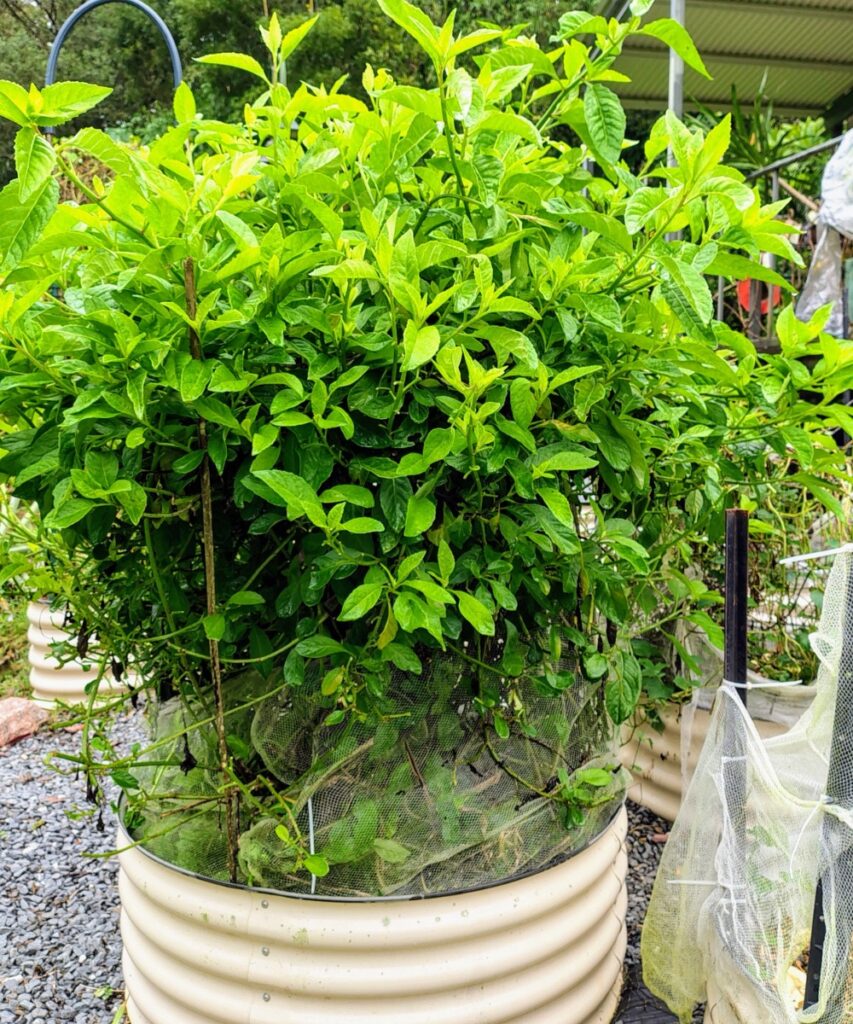
- Tropical spinach – longevity spinach is our staple green. It grows all year and is a phenomenal plant.
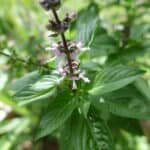
- Herbs – most herbs have done well, including dill (which self-seeds happily), mint, basil, Thai basil, rosemary (tricky), sage (also tricky), garlic chives (super easy and truly perennial in this climate), Cuban oregano or mother of herbs, same as the garlic chives, it grows itself. Some have to be griwn in the correct season, spring, maybe autumn. Some, like coriander, bolts quickly. It grew in winter and I have loads of coriander seed to harvest right now. Parsley has done much better than expected. It’s perennial, but slows right down in winter. I have loads in October, both curly and flat-leaved varieties.
- Lettuce and Rocket – these grow surprisingly well, both through winter and the hotter months, if you get the right varieties. Several of them go to seed and self-seed happily. Give them a shade cloth if you can.
- Radishes – easy enough, but none of us really likes them, so we gave more bed space to more useful crops.
- Beans – bush beans, they do great in spring and we have fresh beans at Christmas usually. This year I’m doing a lot to freeze some. They can continue quite well into the wet season.
- Cucumbers – Love the summer heat. I find growing them along the ground, rather than vertically, gives you fewer problems with cucumber fly. They did well in a food forest style mixed planting, in ground. In pots, cucumbers always seem to have cucumber fly issues.
- Aubergines or Eggplants – I’m finally winning with aubergines! They grew like weeds at sea level and were true perennials. Here, I have an abundance right now and I’ll let you know if they survive the wet. I’m growing multiple varieties.
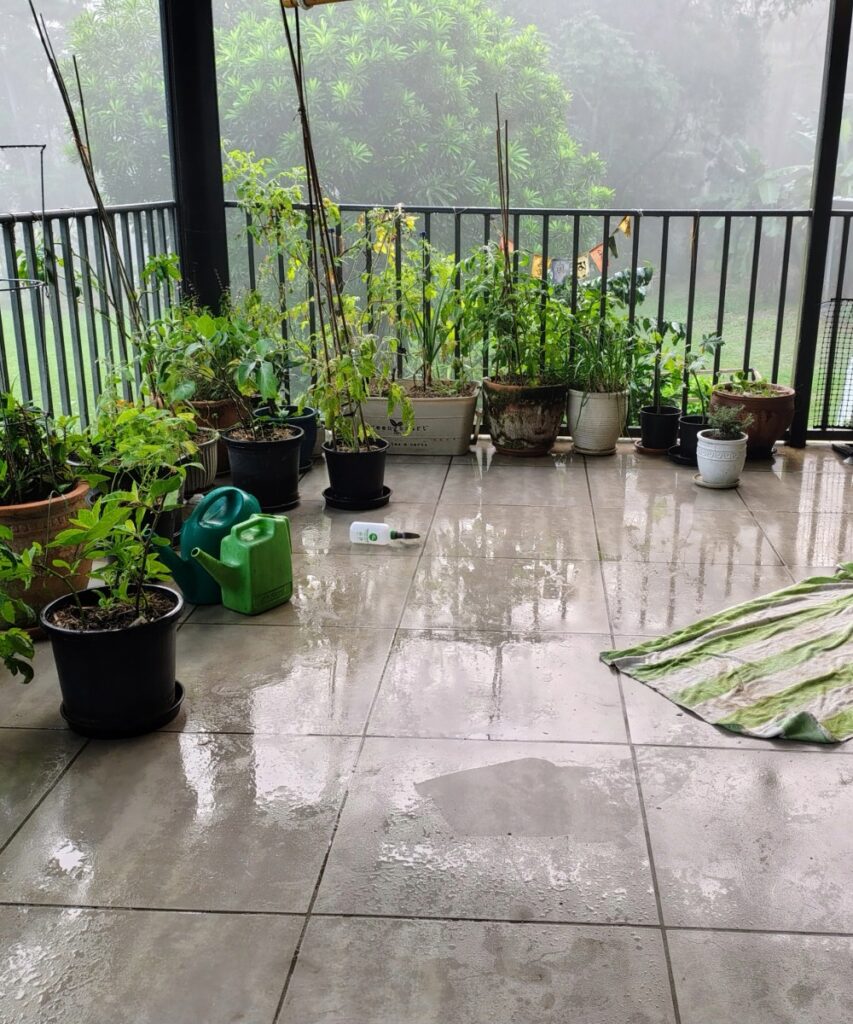
- Tomatoes – really a summer-only crop here, or rather spring. That said, I’ve had a few tomatoes through winter under cover on the deck. They didn’t do well but, meh. I had Thai pink egg cherry tomatoes on the deck, under cover, right through Christmas to March last year, they did great. All of my tomato seeds come from tomatoes I buy at the local market, or from tomatoes I’ve grown myself..
- Pumpkins – pumpkins go crazy through the wet season, then stop producing in winter, but come back in spring, now. So you could grow them as perennials if you didn’t need that space in winter. We had about 8 pumpkins total after last summer. None of us likes pumpkins (Japanese) but they earn their keep as an emergency food, or animal food. I tried a small pumpkin variety last year that had more waxy pale flesh, we did like those, more seeds are going in now.
- Chillies – my favourite, chilly plants survive winter here but stop producing, some have died in the wet season, others have been growing in the ground for years. Play around until you find what works for you. I haven’t bought chilli sauce, flakes, or powder in years. Japapenos – so far a big fail. Sweet peppers, we haven’t really tried yet.
- Bok Choy – it grew through the winter, it got huge, went bitter, and we barely ate any of it because we don’t really like it, but yes, it will grow in winter. It wasn’t as badly affected by bugs ar the brassicas.
Gardening at Elevation in The Tropics – Failures
- Cabbages, Collards and Cauliflower – don’t even think about it unless you want to spray for pests or net them really well. The caterpillars destroyed them overnight. These are a winter crop, obviously.
- Courgettes or Zucchini – nope, all the nope, I’ve tried everything, they won’t grow for me.
I can’t think of anything else to mention right now, other than, I updated a post called “Living Differently” on my other website. It’s to do with stepping out of normal, being self reliant etc. Click through here. The animals on the farm are mostly doing great and I’m bottle feeding a lamb right now. More on that later. We’ve had some lovely comments lately, and I’m more than happy to chat in the comments. Maybe I could set up a forum? I don’t know how, but I’m sure I could work it out. I’m 15 years deep in figuring out how to make websites with no formal training. It’s fun. Have a great day, love and peace, and happy gardening!